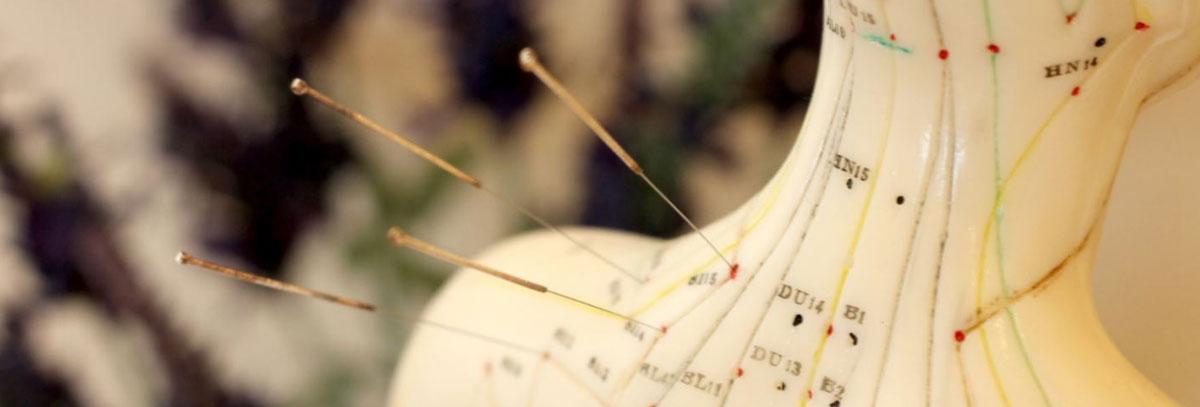
Acupuncture treatment at Dr. Wang Clinic, Seattle

Acupuncture

Traditional Chinese Acupuncture

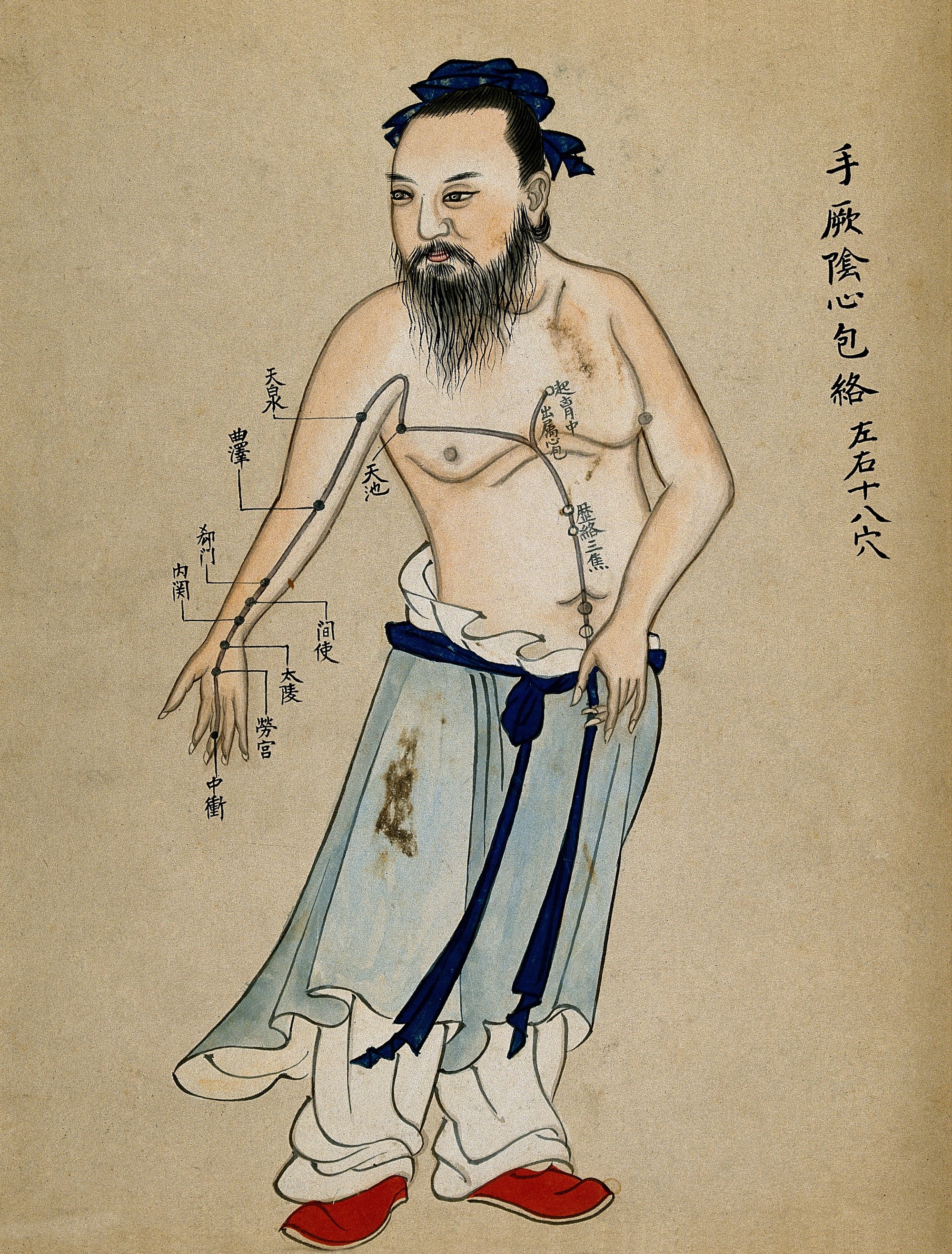
Historical Chinese acupuncture chart showing meridian pointsHistorical Chinese acupuncture chart showing meridian points

Acupuncture is a Chinese system of medical treatment in which hair-thin needles are used to treat illness and restore balance.
‍
In acupuncture the goal is to tap into the body's flow of energy, or Qi, which runs through a specific pattern of channels called meridians throughout the body. By stimulating this energy at specific points, we are able to restore a state of balance to an afflicted area whose activity is governed by that point.

What can I expect from Acupuncture Treatment?

Many conditions may be alleviated very rapidly by acupuncture and herbs; however, some conditions which have arisen over a course of years will be relieved only with slow, steady progress. As in any form of healing, the patient's attitude, diet, determination and life-style will affect the outcome of a course of treatments. Traditional Oriental medicine is also an educational process in which the patient becomes more aware of his or her own body, thus increasing the ability to maintain well-being.
‍
Although there are techniques in Traditional Oriental medicine for addressing most conditions, there are medical circumstances which can be dealt with more effectively by Western medicine. In such cases, your acupuncturist will recommend that you contact a physician. As is the case in China, acupuncture should be seen as complementary to Western medicine.

Is Acupuncture Painful?

Acupuncture bears no resemblance to the feeling of receiving an injection, since the main source of pain from injections is the larger diameter, hollow needle and the medication being forced in the tissue under pressure. Acupuncture needles are very fine and flexible, about the diameter of a thick hair. In most cases, insertion by a skilled practitioner is performed with a minimum of discomfort. Most patients find the treatments very relaxing and many fall asleep during the treatments. In some cases it is not necessary to use needles at all.

What Can Acupuncture Treat?

The World Health Organization has reviewed the use of acupuncture
for a wide range of commonly encountered clinical conditions.

Among these are:

  • Respiratory Disorders such as common cold, sinusitis, asthma, allergies and bronchitis.
  • Disorders of the Bones, Muscles, Joints.
  • Pain and Nervous System Disorders such as arthritis, sciatica, neuralgia, migraine, headaches, dizziness, fatigue, insomnia, injuries, and lower back, neck and shoulder pain.
  • Gastrointestinal Disorders such as food allergies, peptic ulcer, constipation, chronic diarrhea, indigestion, gastrointestinal weaknesses, anorexia and gastritis.
  • Circulatory Disorders such as hypertension, angina pectoris, arteriosclerosis and anemia.
  • Endocrine Disorders such as diabetes, hyperthyroid and weight control.
  • Skin Disorders such as eczema, psoriasis and pruritus.
  • Urogenital Disorders such as stress incontinence, urinary tract infection and sexual dysfunction.
  • Gynecological Disorders such as irregular, heavy or painful menstruation, infertility in women and men and premenstrual syndrome (PMS).
  • Emotional and Psychological Disorders such as depression and anxiety.
  • Addictions such as alcohol, nicotine and drugs.
  • Eye, Ear, Nose and Throat Disorders.
  • Recovery from Surgery.
  • Cosmetic Treatment.
  • Supportive Therapy for other Chronic and Painful Debilitating Disorders.
Research Update

Acupuncture for Sciatica: What the Latest Evidence Shows

A large 2024 clinical trial in JAMA Internal Medicine found acupuncture eased leg pain and improved function for people with chronic sciatica, with benefits lasting a year.

Book an Appointment

Find out if acupuncture can help you.

Schedule a consultation with Dr. Xue-Zhi Wang or Xiao Yu Wang, L.Ac., at our University District clinic.

Call 206.547.2435Hours & Directions